Our science
Metal-halide perovskites
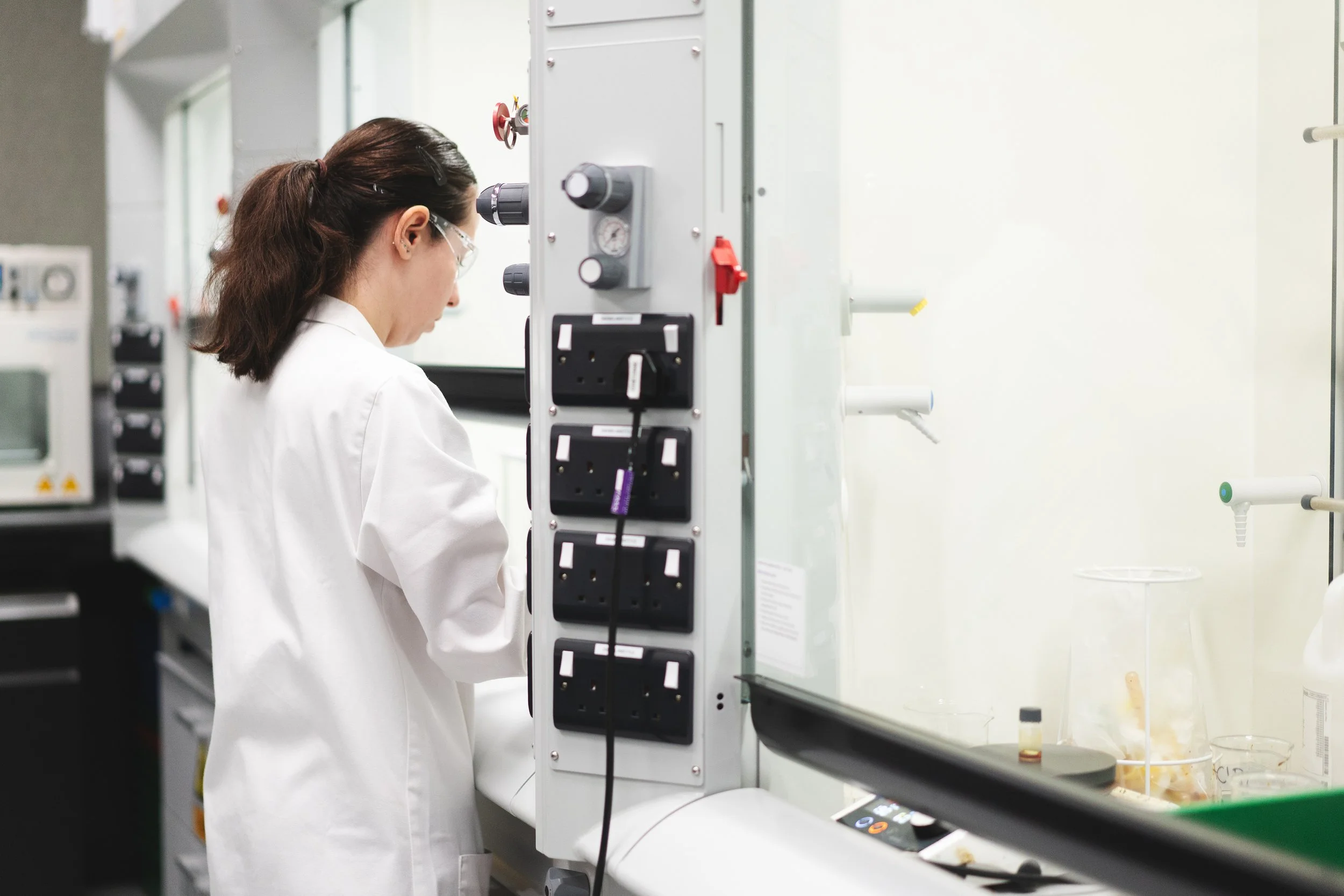
Metal halide perovskites are extraordinary materials that have revolutionised solar-cell research and are now reshaping the landscape of semiconductors. They can be made from simple, earth-abundant ingredients and show excellent efficiency in converting sunlight into electricity. Their versatility also makes them promising for lighting, sensors, and other electronic devices. We study how atomic-level structure and dynamics underpin their performance and stability. This knowledge guides the design of new, more sustainable and more efficient perovskite-based technologies.
Some representative work:
Solid-state NMR
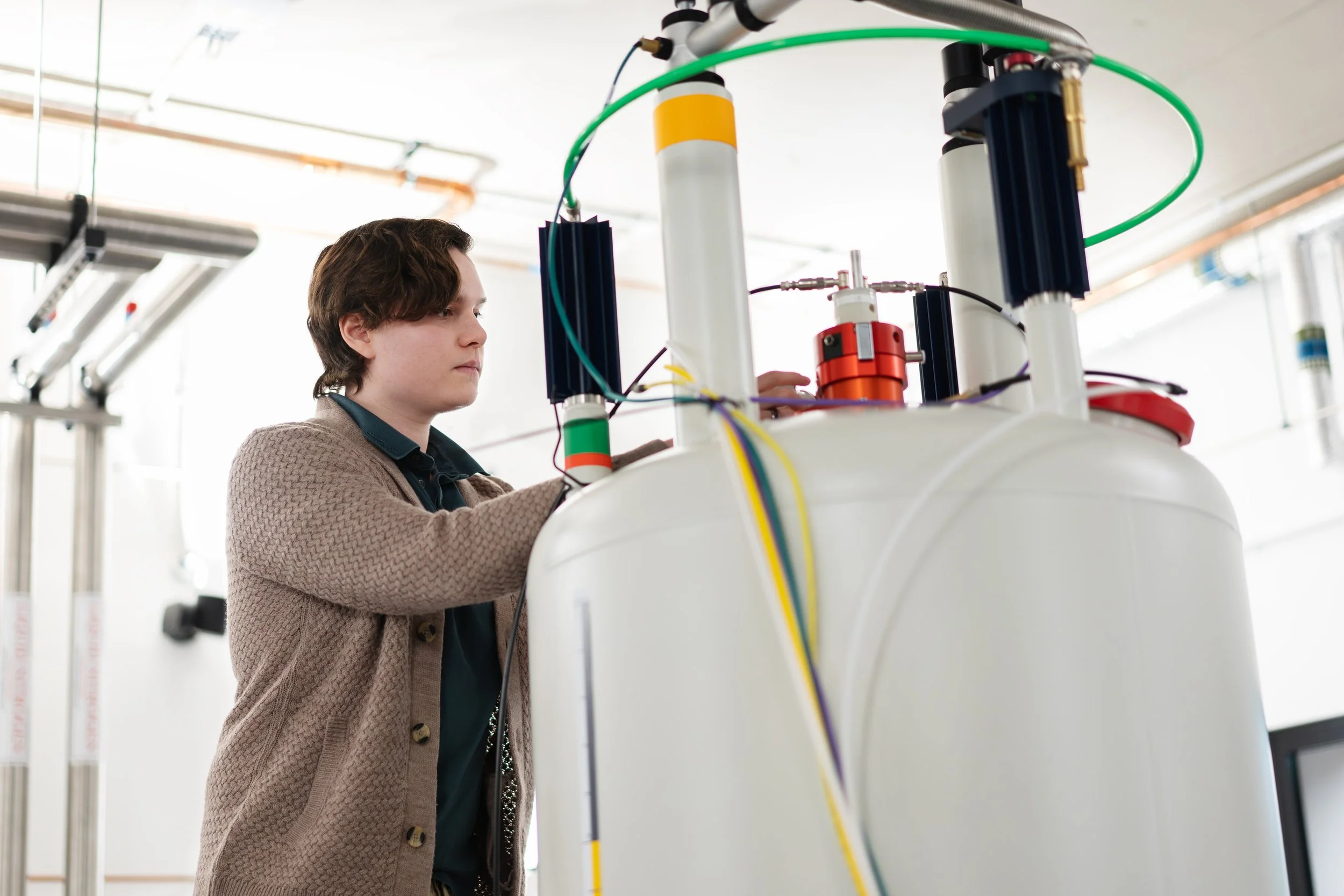
Solid-state Nuclear Magnetic Resonance (NMR) is our window into the atomic world. It tell us how atoms are connected, how they move, and how local structure dictates material performance. We develop and apply advanced NMR methods to quantify order, disorder, and dynamics in complex solids — such as solar cell and carbon-capture materials. NMR bridges chemistry, physics, and materials science, and provides us with insights unattainable by any other technique.
Some representative work:

Mechanochemistry
Each year, over 30 billion litres of organic solvents are consumed in chemical and materials synthesis, generating vast environmental and energy costs. Mechanosynthesis offers a radical alternative — it uses mechanical energy instead of solvents or heat to drive reactions. We use grinding to discover cleaner, faster, and more efficient pathways to new materials, including those inaccessible by conventional chemistry. Mechanochemistry redefines how we make functional materials for a sustainable future.
Some representative work: